

People of Parry Sound Project
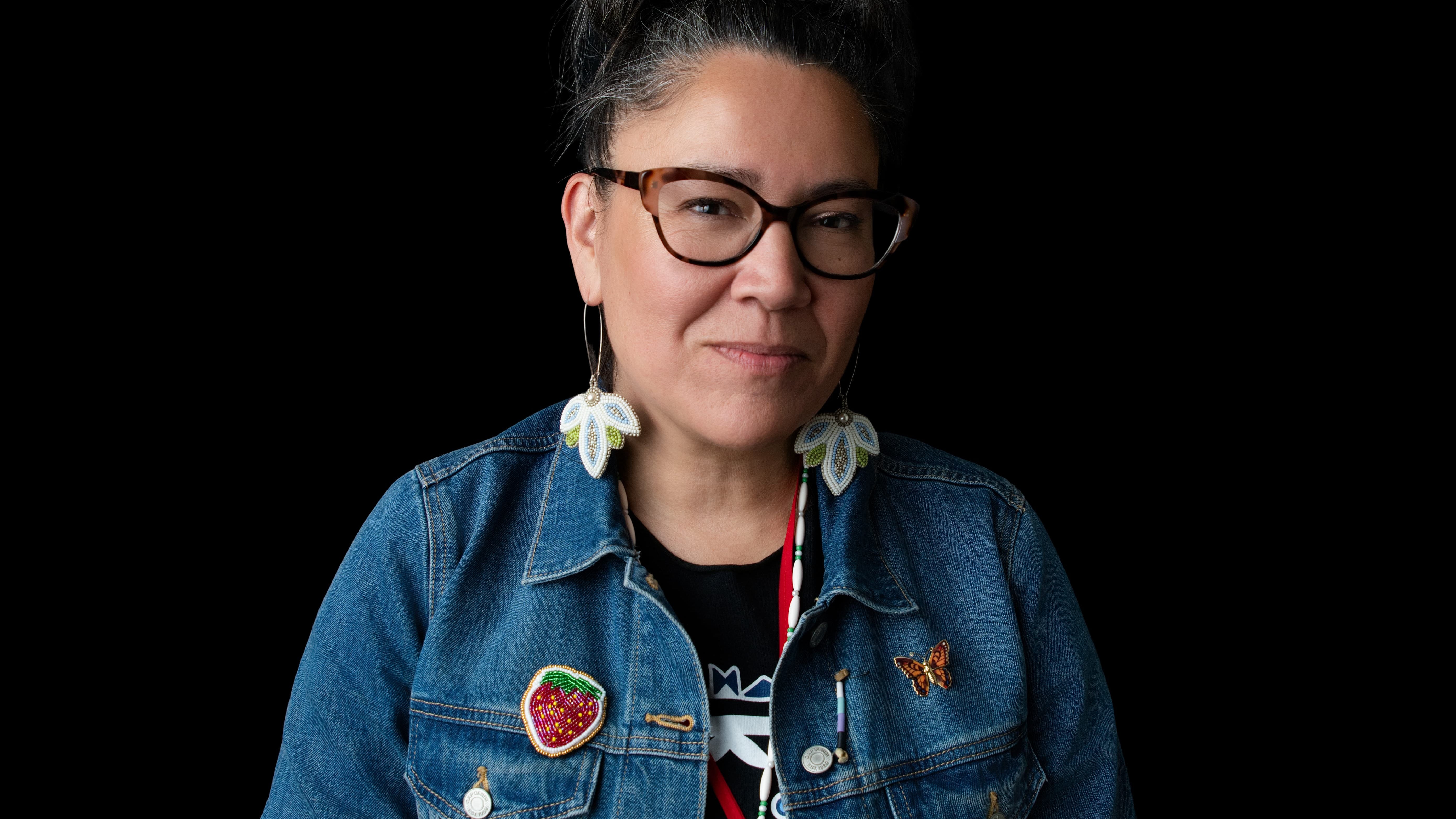
There are people whose work is easy to describe and harder to explain. Diana Clements is one of them.
You can say she founded Parry Sound Forest School. You can point to the programs, the sites, and the growing interest in outdoor learning. You can mention that more families are looking for screen free time and more time outside. All of that is true.
But the simplest way to understand Diana is to start with how she has always lived. She notices the natural world. She pays attention. She makes practical choices that match what she believes. Over time, those choices added up to something the whole community now recognizes.

Diana Clements and the Parry Sound Forest School
A local educator who built something practical and lasting
Diana spent her career as a teacher. She worked in classrooms, in specialized roles, and in kindergarten. She also spent years as a foster parent. When she started Parry Sound Forest School, it was not because she wanted to run an organization. It was because she had watched children closely for a long time, and she believed there was room in Parry Sound for a different kind of childhood experience: regular time outdoors, in all seasons, with space to play, explore, and build confidence.
Parry Sound Forest School did not begin as a big idea. It began as a simple one: take children outside, often, and let the natural world do some of the teaching.
Early Years
Growing up beside Ottawa’s Greenbelt
Diana was born in Mississauga. When she was two, her family moved to the suburbs of Ottawa. Their home backed onto the Greenbelt, and that detail mattered. Instead of looking out at another backyard, she looked into trees, trails, and open space.
She describes her childhood as free range. She went out, wandered, and came home when it was time. It was normal in those days for kids to be outside for long stretches, and for her it became the foundation for everything that came later.

Curiosity and Independence
Field clubs, creek walks, and learning by noticing
Summers often meant car camping with her family. Her father loved geology, so trips included mines, rock collecting, and lots of looking closely at the ground. While he looked for rocks, Diana turned over stones and watched what lived underneath. Frogs, snakes, insects, and small creatures became familiar rather than scary.
She was the kind of child who brought things home. Sometimes that meant a snake. Once it meant a bat that needed help. Another time it meant two wandering Newfoundland dogs. Her curiosity was not a phase. It was a habit.
She joined the Macoun Field Naturalists Club, meeting at the Museum of Nature, and went every Saturday. She wandered the exhibits, explored outside, and learned to observe. Even now, that is how she speaks about the outdoors. Not as scenery, but as a living place worth paying attention to.
One small memory stayed with her for years: her father teaching her the song of the white throated sparrow. “Oh sweet Canada,” he told her. It was not just a bird call. It was a way of listening.
The Teen Years
A quieter chapter, and finishing school
Diana does not make much of her teenage years. She describes that time as complicated and messy, like it is for many people. She remembers having less time and less freedom to be outside in the same way.
What she does note is that finishing high school and moving forward into post secondary education felt like an important step for her. She does not dress it up. She simply names it as a point of progress.

University and Direction
Environmental studies, and choosing the kind of life that fit
Diana went to the University of Waterloo and completed an honours degree in environmental studies. Like many students, she imagined she might work directly in environmental advocacy. But she quickly noticed a problem: many of those jobs were city based, and she did not want a city life.
This became a steady theme. She cared deeply about the environment, but she also knew she needed to live close to nature, not far from it. She was not drawn to big platforms. She was drawn to daily life, smaller places, and long habits.
Learning to Teach
Training at Lakehead and committing to education
During university, Diana met Blair. They shared a love for the outdoors and a concern for the larger environmental picture. Together, they chose a practical path: teaching.
They went to Lakehead University and earned their teaching degrees. For Diana, it was a way to work with children and shape the next generation without having to move into the urban world she did not want.

Northern Ontario
Teaching in a fly in community and seeing outdoor learning differently
Diana and Blair spent four years living in a fly in First Nation community in Northern Ontario. It was the early 1990s. Diana began teaching in 1993, working with a grade three class. In her classroom, she remembers only one child whose first language was English. Everyone else was speaking Oji Cree.
She describes that experience as a privilege. It also gave her a lasting perspective on what is now called forest school. Outdoor learning, she saw, was not a new trend. For many communities, it has always been part of life.
While living there, she and Blair had their two daughters. They took turns teaching and staying home, building a family life that was steady, simple, and grounded.

Coming to Parry Sound
Building a home, teaching locally, and putting down roots
Diana and Blair moved to Parry Sound in 1998 when Blair took a teaching job. Diana stayed home at first and ran a home daycare. Later, once their youngest was in school full time, she returned to teaching.
Over the years, she taught in regular classrooms and then worked for about a decade as a teacher of the deaf. She learned sign language while supporting a kindergarten student who was deaf, interpreting classroom instruction in real time. She describes that period as one of the most rewarding parts of her career.
She later spent ten years teaching kindergarten, which shaped many of her views about children and learning.
Work in the Classroom
From teaching the deaf to kindergarten
Diana speaks about children with plain respect. She does not talk about them as small adults who need to be managed. She talks about them as capable learners with an innate drive to explore.
In kindergarten, she also saw how much a child’s home life matters. Parents are a child’s first teachers. That influence can help or hinder, and every child arrives with a different story.
She was also the kind of teacher who noticed what was happening in the world outside the window. If something interesting was happening outdoors, she would pause and bring children into it. A heavy rain. A sudden change. A moment worth feeling instead of just talking about.

Home Life and Foster Parenting
Fair, firm, consistent, and making space for others
Diana and Blair built their home around safety, love, and steady expectations. Their phrase was “fair, firm, and consistent.” They kept screens minimal and made family routines that brought everyone together. One of their traditions was simple and memorable: sleeping together on the living room floor.
They also became foster parents. Over twenty five years, about thirty children came through their home. The youngest was four days old. Diana speaks about fostering with both warmth and realism. She remembers the joy of caring for infants and also the grief of saying goodbye when children moved on.
Fostering also taught her that “nature versus nurture” is not an abstract debate. Children arrive with experiences and biology that shape them early. She speaks about these things without judgment, recognizing both the challenges and the resilience she saw again and again.
The home was busy and full of life. There were also animals, including horses, pigs, goats, fish, salamanders, and rats. Diana is allergic to fur and could not have pets as a child, so as an adult she made up for it in a big way.

Faith and Stewardship
A quiet foundation that shaped daily choices
When asked what people might not realize about her, Diana says much of her motivation is grounded in Christian ethics. For her, faith includes stewardship: taking care of creation. She does not lead with that publicly, but she says it sits under many of her choices.
She is also candid about being imperfect. She laughs about making decisions and then praying about them, rather than the other way around. What comes through is not performance, but sincerity. She describes a deep trust in God’s guidance, paired with everyday responsibility.
“What we have is not ours alone. It is ours to share.”

The Seed of Parry Sound Forest School
Training, outdoor learning, and the limits of the regular system
Diana did not set out to start a forest school. The idea came through professional development and a gradual sense that the regular school day could not always hold what children needed most.
She attended a workshop where she first heard about “forest play,” the simple idea of taking children into natural spaces and letting them play freely. As a teacher, she felt the weight of responsibility. It is one thing to let your own child climb a tree. It is another to support other people’s children doing the same.
She later attended an outdoor learning conference and learned about the Child and Nature Alliance of Canada. She earned her Forest and Nature School practitioner certificate and did what she could within kindergarten, the part of the system with the most flexibility. She organized weekly walks and tried to bring families along.
When the new school, Parry Sound Public School, opened in Parry Sound and a patch of forest sat beside the yard, local supporters helped raise funds so the space could remain accessible. To Diana, it felt like permission. The land could be part of the day.
Risk, Play, and Real Skills
Letting children test boundaries safely
Diana uses the word “risk” carefully. She does not mean danger. She means age appropriate challenges that help children learn judgment: how high to climb, how to balance, how to fall and get back up, how to solve problems with their friends.
She understands why many school yards have strict rules. With hundreds of children, rules help protect the most vulnerable. But she also noticed something being lost. Children need practice with real life, not only carefully managed play.
The Parry Sound Forest School became a place where children could build that competence again, in a setting that was supportive and attentive.
“Nature cannot be rushed.”

Starting Parry Sound Forest School
Early retirement, a pay cut, and steady work
Diana asked the school board for a leave to try building the Parry Sound Forest School. It was not approved. So she made a decision that surprised many people.
She retired seven years early.
The financial change was significant. She went from a teacher’s salary to about a third of that. She describes it plainly as a leap of faith, and she also points quickly to the support around her. From the beginning, community partnerships mattered. She credits local people and organizations for helping make it possible, including early access to space at Canadore College.
As the Parry Sound Forest School grew, she had to learn things that were not part of her training as a teacher. She is open about not being a “numbers person.” She learned QuickBooks. She learned the administrative and leadership side of running an organization. It was work, and it took time.
“I went from a teacher salary to a third of that, and I never wanted to give up.”

What Diana Notices in Children
Comfort outdoors, language cues, and learning at a child’s pace
Spend time at the Parry Sound Forest School and you see a kind of ease. Children arrive and often step right into their play. They remember what they were building yesterday. They know the trails, the logs, and the routines. The forest becomes familiar.
Because of her years teaching the deaf, Diana often notices language and communication quickly. She can sometimes spot early signs of a delay and support families in getting help sooner rather than later.
Her teaching style is gentle and practical. She encourages children to notice for themselves. If a child asks what something is, she might ask, “What do you see?” She is not trying to be mysterious. She is helping them practice wonder and observation.
She also works with “scaffolding,” slowly supporting children as they gain confidence. Children learn to walk on uneven ground, then run, then balance on logs. They can choose challenges, and they can step back when they are not ready. Over time, they build real competence.

Why Parry Sound Feels Like Home
Familiar places, good people, and staying connected to the land
Diana says Parry Sound feels like home for both social and physical reasons. She likes small town life. She likes seeing people she knows at the grocery store. She appreciates the abundance of good people who show up for one another.
She also loves the local landscape: the ski club, Mile Lake, familiar roads she has travelled for years. She likes that nature is close by, and that even in town you might look up and see an eagle once in a while.
She has also deepened her connection through tracking, which changes how she sees the world. She notices life everywhere. She understands more about what animals do and why. Tracking teaches humility, because it is easy to be wrong and then learn again.

Stewardship in Everyday Decisions
Buying less, buying local, and resisting convenience
Diana’s environmental values show up in everyday choices. She buys second hand when she can. She avoids buying things she does not need. She will spend more to choose glass over plastic. She buys locally when possible.
She also recognizes that not everyone has the same options. Convenience is built into modern life. One click ordering is everywhere. She is not interested in shaming people. She is interested in paying attention, because she believes choices matter and ripple outward.
“Less is more.”
Grandparenthood
Slowing down and following Emmett’s lead
Diana retired on January 1. She describes this season as a fresh start. Almost immediately, she found herself doing the kind of neighbourly help she always valued: practical tasks, small repairs, showing up.
She is also now a grandmother. Diana and Blair care for their grandson, Emmett, three days a week. She describes it as a privilege, especially because it means her daughter wants her involved.
She notices something many parents carry: the pressure to rush. She remembers times when she felt that pressure herself. With Emmett, she can slow down.
On one snowshoe outing, Emmett made “Emmett prints” by taking five steps and flopping into the snow. He repeated it again and again for an hour. Diana did not hurry him. She watched and let the time unfold. She knows the world will push for speed soon enough.
What She Hopes Lasts
Less screen time, more shared life, and nature as part of identity
When asked how childhood might be remembered for kids growing up today, Diana answers quickly: screen based. She is not surprised by that, and she knows how hard it is for families to push against it. Phones are designed to keep attention. Parenting can already feel like survival. Adding countercultural choices is not easy.
If she could shift one message parents hear about good parenting, it would be simple: spend less money on stuff and spend more time doing stuff. Walks, board games, talking, shared routines, and ordinary time together.
She hopes children who attend the Parry Sound Forest School carry a lasting connection to the outdoors and a stronger sense of themselves. Identity is complex. Nature can be one steady place to begin.

The Through Line
Doing what you can, where you live
Diana does not like being called visionary. She speaks more comfortably about doing what makes sense, one step at a time, with the people around her.
Her story is not a story of sudden change. It is a story of consistent direction. A childhood spent in the Greenbelt. A career spent noticing children. A home spent making space for foster kids. A faith shaped by stewardship. A community project built through practical work and steady relationships.
The Parry Sound Forest School reflects all of that. It gives children time outdoors, room to play, and a chance to learn competence at their own pace. In a world that pushes speed, it offers something older and simpler: regular time outside, not managed into a lesson, but lived.
And in Parry Sound, that kind of choice adds up.

Context and References
References are provided for readers interested in the broader educational, environmental, and community contexts connected to this story.
- Parry Sound Forest School
- Child and Nature Alliance of Canada (Forest and Nature School)
- Forest School Canada
- Canadore College
- Canadian Paediatric Society – Outdoor and Risky Play
- University of British Columbia – Risky Play Research
- University of Waterloo – Environmental Studies
- Lakehead University – Faculty of Education
- Ottawa Greenbelt – National Capital Commission
- Georgian Bay Biosphere (UNESCO)
- Ontario Association of Children’s Aid Societies
- Some images from the Facebook page of the Parry Sound Forest School
This story is based on interviews with Diana Clements in January 2026 and draws on publicly available information about forest and nature school education, child development, and outdoor learning in Canada.
Media of Diana Clements

Parry Sound Life Magazine