
Over time, I have started to notice something when I photograph people, especially older adults.
The photo is the reason we are there, but it is not always the only thing happening. A lot of the time, what stays with me happens before anyone sits in front of the camera. It happens while people are waiting, when the pressure is off and the conversation is just casual.
Someone asks a simple question, and the person starts talking. Not in a formal way. Not like they are trying to give a speech. They just start remembering things.
They talk about where they grew up, what kind of work they did, how they met their husband or wife, where they lived, what their parents were like, or something that happened years ago that still seems clear to them.
At the time, it does not always feel like a big moment. It might only be a few minutes of conversation. But when you step back, you realize that what they have shared is part of their life story, and there is a good chance it has never been written down anywhere.
I saw this often when I was photographing residents at The Gardens of Parry Sound. My wife Kathleen would sit with people while they waited for their turn. She would chat with them, listen, and write down some of what they shared.
That is how we learned about Norma, who worked in adoption disclosures with the provincial government and helped adopted children reconnect with their birth parents. She remembered how emotional those meetings were, and how everyone would cry, including her.
Julia talked about her work during the Second World War, when she helped revise military files and change names to numbers for privacy and clarity.
Phyllis, who was born in 1921, remembered being on air raid duty in England and meeting the man who would become her husband while he was eating chips for lunch.
None of these stories were announced as something important. They just came out in conversation while people were waiting for a photo.
That is what struck me. If no one had asked, and if no one had been listening, those stories might have stayed exactly where they were.

The Camera Gives People a Reason to Slow Down
A photography session has a way of slowing things down for a few minutes. Someone sits. Someone pays attention. Someone asks a question that is not about appointments, medication, meals, errands, or what needs to happen next.
That does not happen as often as we might think. Family visits can become practical. Life gets busy. We assume there will be another time to ask about the old stories, or another chance to take a proper photo.
Sometimes there is another chance. Sometimes there is not.
That is part of what first got me thinking more seriously about photographing parents and loved ones. I had taken photos of my own parents, and over time, those photos became more important to me than I expected.

What People Look For Later
When people look back at photos of someone they love, I do not think they are usually looking for perfection. They are looking for recognition.
They want to see something familiar. The expression. The posture. The way the person held their hands. The way they smiled, or almost smiled. The way they looked when they were relaxed and not trying too hard.
That is what brings a person back to mind.
A portrait does not need to capture everything about someone. It cannot hold an entire life. But it can hold enough to remind you who they were and how they felt to be around.

The Photo and the Story Belong Together
The more I do this work, the more I think the photograph and the story belong together.
The photo shows the person at a particular moment in time. The story gives that image context. It tells you something about what they carried, what they lived through, what mattered to them, and what they remembered.
That idea has shaped a lot of my work in Parry Sound, whether I am photographing families, residents in a retirement home, or people through my People of Parry Sound project.
Everyone has a story worth keeping, even if they do not think of it that way themselves.
Not just well-known people. Not just public figures. Not just people with dramatic life stories. The neighbour, the teacher, the business owner, the volunteer, the parent, the grandparent, the person who has lived quietly in a community for decades. They all carry pieces of history.

It Does Not Have to Be Complicated
If there is someone in your life you have been meaning to photograph, or someone whose stories you have been meaning to ask about, it does not have to become a big project.
Take the photo. Ask a question. Write something down. Record a short conversation if they are comfortable with it.
Ask where they grew up. Ask about their first job. Ask how they met the person they loved. Ask what they remember most clearly. Ask what they want their children or grandchildren to know.
You may not get a perfect answer. That is fine. You may get a small piece of something real, and sometimes that is enough.

Photos Often Mean More Later
When I photographed my own parents, I knew it was something I wanted to do, but I did not fully understand how much those images would mean later on.
That is something I have come to appreciate more over time. Photos do not always feel significant in the moment. Often, they become more important as the years pass.
That is reason enough to take them while you can.
If you have been thinking about photographing someone important in your life, or preserving some of the stories in your family, this may be a good time to start.
Send me a message if you would like to talk about setting up a portrait session for someone in your life.

Frequently Asked Questions
Why is it important to photograph parents or grandparents?
Photos of parents, grandparents, and loved ones often become more meaningful over time. They help preserve familiar expressions, personality, and family memories that may become harder to capture later.
Do portraits of older adults need to be formal?
No. A meaningful portrait does not need to feel formal or stiff. Often, the best portraits are simple, relaxed, and familiar.
Can a portrait session include stories or memories?
Yes. Many people naturally share stories during a portrait session. Those stories can become part of the experience and help preserve more than just the image.
Where does Peter Istvan Photography offer portrait sessions?
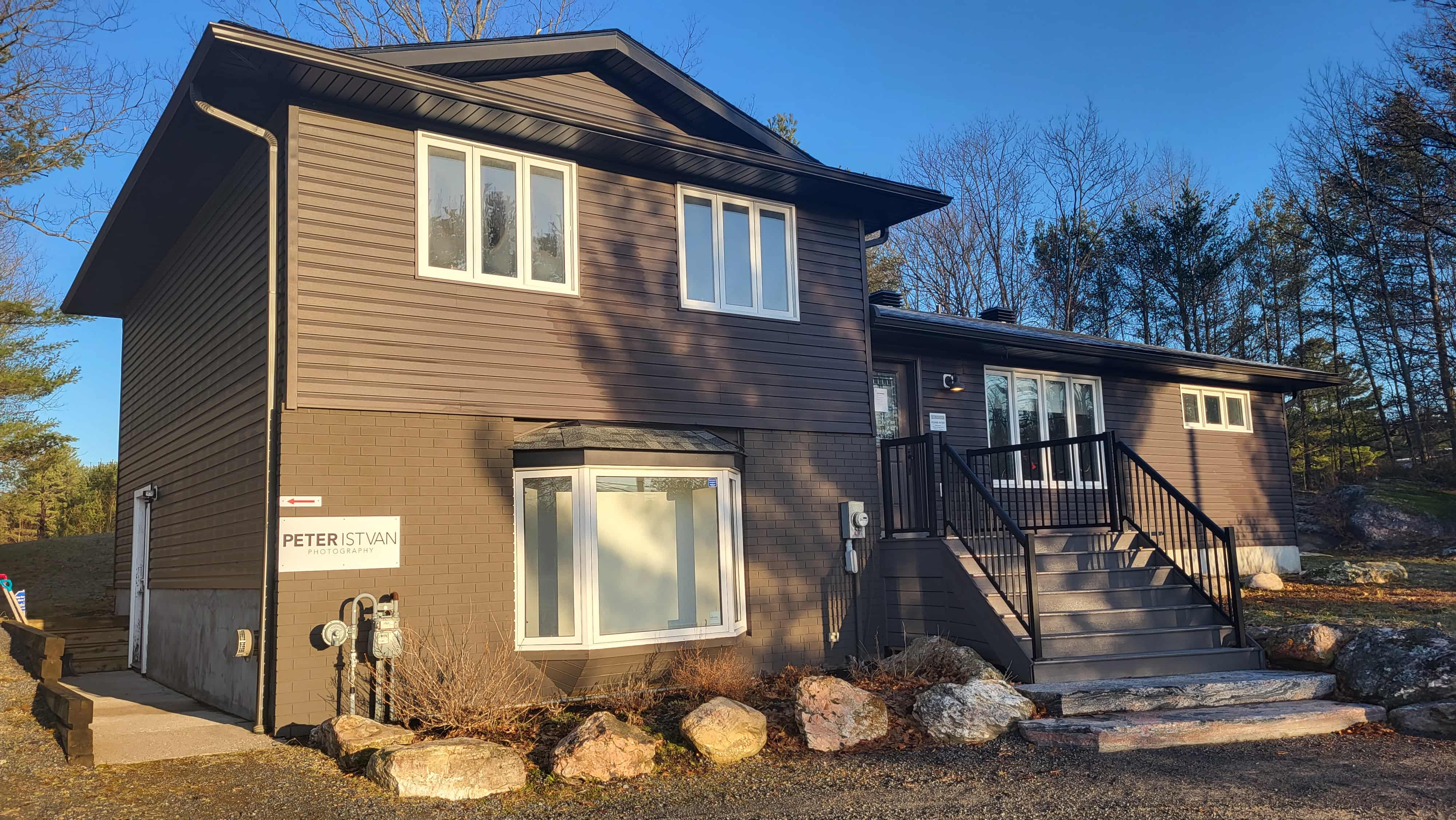
Peter Istvan Photography offers portrait and headshot sessions in Parry Sound, Ontario, with studio sessions and select on-location sessions available.

Related business profiles:
- Kathleen McGill | Therapist Serving Parry Sound and Muskoka
- Nicole Boyd | Parry Sound Real Estate
- Wood and Heart Design
- Kaila Stevenson, Sound Wealth Financial
- Pamela Newall, Officer of the Order of Canada
- Megan Oldham | Olympic Gold and Bronze Medal Celebration